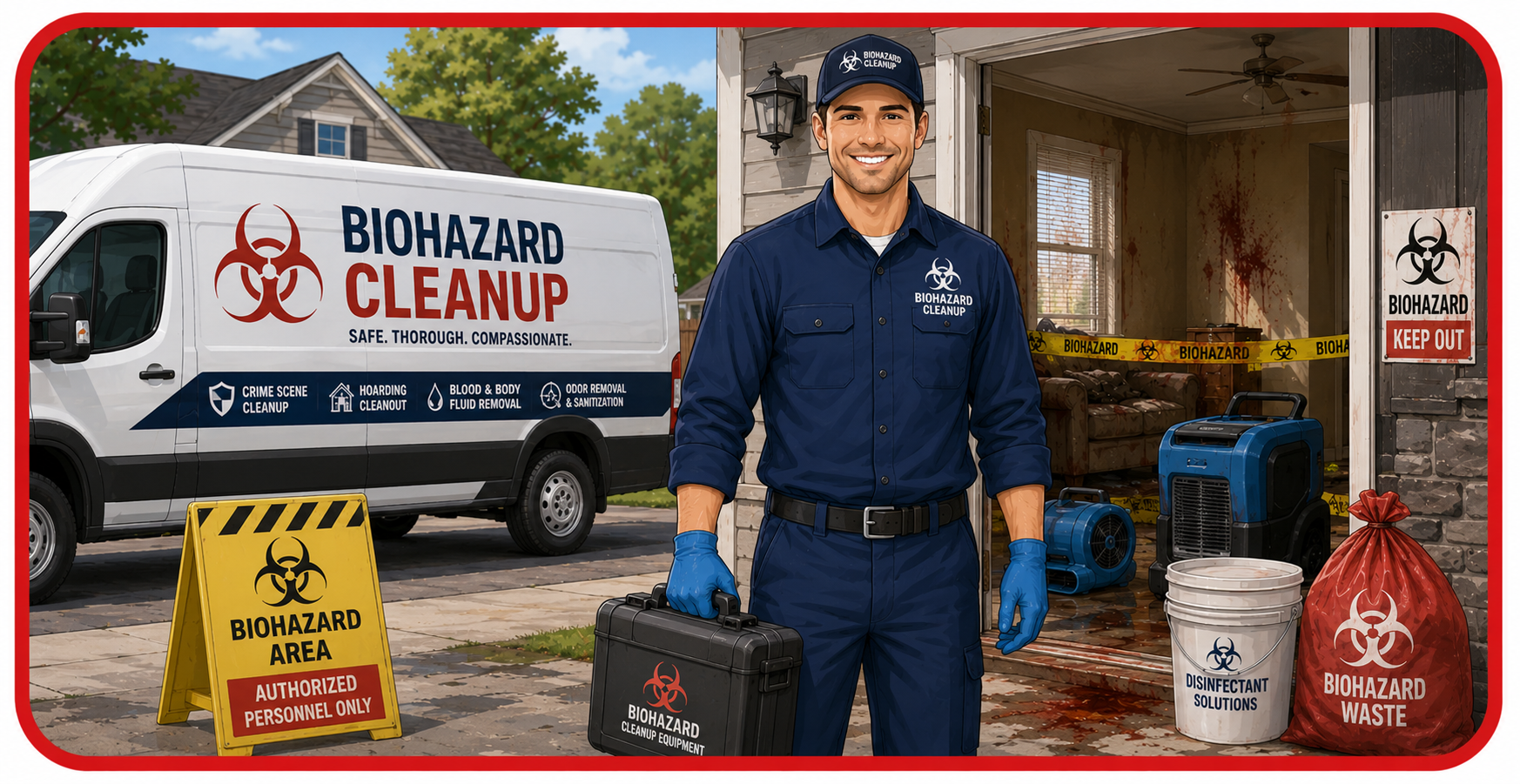
Most Sewage Cleanup calls come in as an emergency — a backed-up line or overflowing fixture that's already spreading. Our West Point dispatchers get a crew moving immediately.
Talk To A Technician
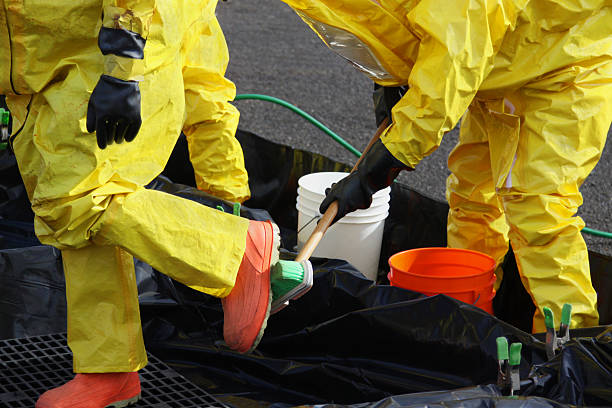
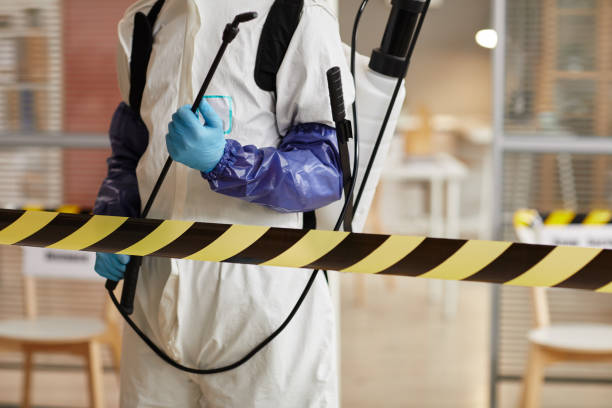
Blackwater contamination moves fast, so response speed and correct material removal decisions both matter on a Sewage Cleanup call.

Certification and insurance travel with every West Point technician on every Sewage Cleanup job, no exceptions.
Our West Point dispatch pulls from the nearest available crew, not a distant regional hub.
Pricing is locked in before the first pump is turned on.
Every West Point crew carries the equipment IICRC S500 protocols call for on a Category 3 water job.
No two Sewage Cleanup calls in West Point look the same, so our team assesses the property first, then proposes a scope.

We extract blackwater first, before any other remediation step, to stop the contamination from spreading further.
Anything porous that absorbed sewage gets removed — IICRC standards don't allow treating blackwater-soaked porous material in place.
Antimicrobial treatment follows removal on every job, since bacteria remain a risk even after visible water is gone.
Industrial air movers and dehumidifiers dry the structure over several days, with moisture readings tracked until levels return to normal.
Technicians assess likely backup causes — tree root intrusion, municipal line issues, or sump pump failure — to help prevent recurrence.
Odor treatment is the final step, applied only after the underlying contamination has been fully addressed.
Call +1-844-401-0166 and a dispatcher asks about the extent of the backup and affected areas before a crew is routed.
Once scoped by phone, the nearest available crew heads to your West Point location as fast as possible.
On-site, the crew confirms scope and likely backup cause, then gives a firm price before beginning extraction.
The job closes with a walkthrough and written report, and we return at no charge if a follow-up check finds anything unresolved.

"The smell was unbearable before they arrived. Within a day it was completely gone." — J. Kowalski
"They explained why certain drywall needed removal instead of just tearing into everything. Appreciated the honesty." — C. Delacroix
"They flagged tree root intrusion as the likely cause, which our plumber later confirmed." — R. Boakye
"They coordinated everything with our insurance adjuster directly, which saved us a lot of back and forth." — K. Adeyinka

Our West Point coverage extends across West Point, KY, with technicians staged for fast emergency response.

Most West Point calls see an on-site crew within 60 to 90 minutes, since sewage backups are treated as emergencies.
Yes, we assess contamination extent and provide a written price before work starts, with nothing added later.
Industry standards don't allow treating blackwater-soaked porous material in place — it has to be removed for safety.
Coverage depends on your policy, but our itemized reports and photos usually satisfy what insurers need.
Drying typically runs two to four days with industrial equipment, tracked with moisture readings until levels return to normal.
Common causes include tree root intrusion into sewer lines, municipal line failures, and sump pump failure during heavy rain.